Why Regular Maintenance Prevents Costly Automotive Repairs
- Tanner Donnell
- Oct 14, 2025
- 5 min read

Owning a vehicle is a significant investment. Just like any other valuable asset, your car requires regular care to keep it running smoothly. Many car owners often overlook routine maintenance, thinking it is an unnecessary expense. However, neglecting regular maintenance can lead to costly repairs down the line. In this post, we will explore the importance of regular automotive maintenance and how it can save you money in the long run.
Understanding Regular Maintenance
Regular maintenance refers to the routine checks and services performed on your vehicle to ensure it operates efficiently. This includes oil changes, tire rotations, brake inspections, and fluid checks. Each of these tasks plays a crucial role in the overall health of your car.
The Benefits of Regular Maintenance
Increased Longevity: Regular maintenance can significantly extend the life of your vehicle. Just like a human body, cars need care to function optimally. For instance, changing the oil regularly helps keep the engine clean and lubricated, preventing wear and tear.
Improved Safety: A well-maintained vehicle is a safer vehicle. Regular checks on brakes, tires, and lights can prevent accidents. For example, worn-out brake pads can lead to longer stopping distances, increasing the risk of collisions.
Better Fuel Efficiency: A car that receives regular maintenance tends to be more fuel-efficient. Simple tasks like replacing air filters and ensuring proper tire pressure can lead to better gas mileage. This means you spend less on fuel over time.
Higher Resale Value: If you plan to sell your car in the future, a well-documented maintenance history can increase its resale value. Buyers are more likely to pay a premium for a vehicle that has been cared for.
Avoiding Major Repairs: Regular maintenance helps identify potential issues before they become major problems. For example, a small coolant leak can be fixed easily, but if ignored, it could lead to a blown head gasket, which is a costly repair.
Common Maintenance Tasks
Understanding the common maintenance tasks can help you stay on top of your vehicle's needs. Here are some essential services to consider:
Oil Changes
Changing your oil regularly is one of the most critical maintenance tasks. Engine oil lubricates the moving parts of your engine, reducing friction and preventing overheating. Most manufacturers recommend changing the oil every 3,000 to 5,000 miles, but always check your owner's manual for specific guidelines.
Tire Maintenance
Tires are the only contact your vehicle has with the road, making their maintenance crucial. Regularly check tire pressure and tread depth. Rotate your tires every 5,000 to 7,500 miles to ensure even wear. Properly maintained tires improve handling and fuel efficiency.
Brake Inspections
Brakes are vital for your safety. Have them inspected regularly, especially if you notice any unusual sounds or a decrease in braking performance. Replacing brake pads and rotors at the first sign of wear can prevent more extensive damage and costly repairs.
Fluid Checks
Your vehicle relies on various fluids to operate correctly. Regularly check and top off fluids such as coolant, brake fluid, transmission fluid, and power steering fluid. Low fluid levels can lead to severe engine damage or other mechanical failures.
Battery Maintenance
A dead battery can leave you stranded. Check your battery regularly for corrosion and ensure it is securely mounted. Most batteries last about three to five years, so consider replacing it before it fails.
The Cost of Neglect
Neglecting regular maintenance can lead to a range of issues that can be expensive to fix. Here are some examples of how skipping maintenance can cost you:
Engine Repairs: Failing to change the oil can lead to engine sludge buildup, which can cause severe engine damage. Repairing or replacing an engine can cost thousands of dollars.
Transmission Issues: Ignoring fluid changes can lead to transmission failure. A new transmission can cost anywhere from $1,500 to $4,000, depending on the make and model of your vehicle.
Brake System Failures: Worn-out brake pads can damage rotors, leading to more expensive repairs. Replacing rotors can cost several hundred dollars, while new brake pads are much cheaper.
Cooling System Failures: A small coolant leak can lead to overheating and a blown head gasket. Repairing a head gasket can cost upwards of $1,500, while fixing a leak might only cost a few hundred dollars.
Creating a Maintenance Schedule
To ensure your vehicle receives the care it needs, create a maintenance schedule. Here are some tips to help you stay organized:
Refer to Your Owner's Manual: Your owner's manual contains valuable information about your vehicle's maintenance needs. Follow the recommended service intervals for oil changes, tire rotations, and other essential tasks.
Set Reminders: Use your phone or a calendar to set reminders for upcoming maintenance tasks. This will help you stay on track and avoid missing important services.
Keep Records: Maintain a log of all maintenance performed on your vehicle. This will help you track when services are due and can be beneficial when selling your car.
Consult a Professional: If you are unsure about any maintenance tasks, consult a professional mechanic. They can provide guidance and perform services to ensure your vehicle remains in top condition.
The Role of Technology in Maintenance
Advancements in technology have made it easier to keep track of your vehicle's maintenance needs. Many modern cars come equipped with onboard diagnostics that can alert you when maintenance is due. Additionally, there are various apps available that can help you manage your vehicle's service history and remind you of upcoming tasks.
Using Apps for Maintenance Tracking
Consider using a maintenance tracking app to simplify the process. These apps can help you:
Log Services: Keep a record of all maintenance performed on your vehicle.
Set Reminders: Receive notifications when it's time for an oil change or other services.
Track Expenses: Monitor how much you spend on maintenance and repairs.
Access Manuals: Some apps provide access to your vehicle's owner's manual for easy reference.
The Bottom Line
Regular maintenance is essential for keeping your vehicle running smoothly and avoiding costly repairs. By investing a little time and money into routine checks and services, you can save yourself from significant expenses down the road. Remember, a well-maintained vehicle is not only safer but also more reliable and efficient.
In the end, taking care of your car is not just about saving money; it is about ensuring your safety and the safety of others on the road. So, make regular maintenance a priority, and enjoy the peace of mind that comes with knowing your vehicle is in good shape.
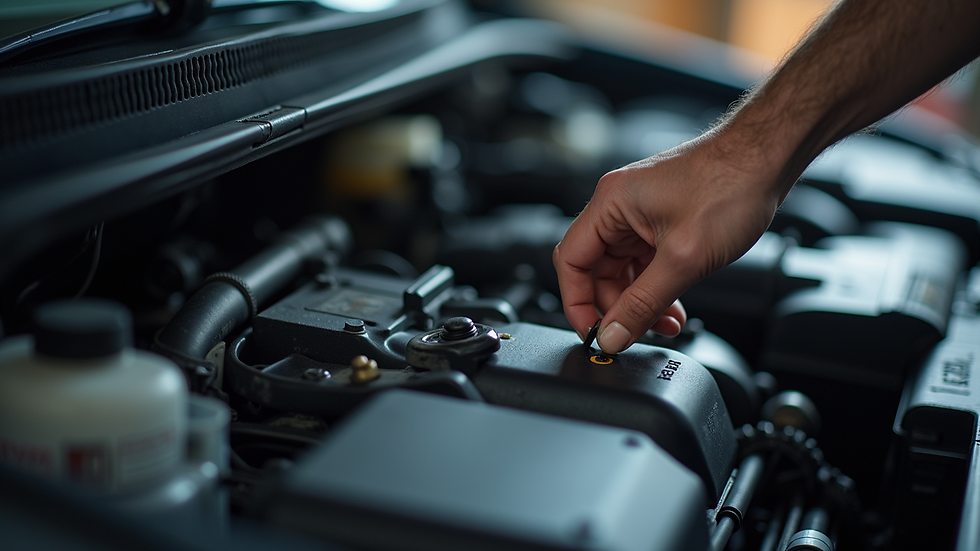
By following these guidelines and staying proactive with your vehicle's care, you can enjoy a smoother ride and avoid the stress of unexpected repairs. Your car will thank you for it, and so will your wallet.


Comments